

(254) 773-3335

Top ALDs for People With Mild Hearing Loss
Mild hearing loss can slowly affect daily life, making conversations in crowded spaces, phone calls, or even watching TV more tiring. Assistive listening devices (ALDs) provide targeted support, amplifying sound in ways that complement hearing aids or work independently. The right device can improve speech clarity while minimizing unnecessary amplification.
With technology advancing quickly, a range of options exists, each suited to different situations and lifestyles. Thoughtful selection and use of these devices can make everyday activities more comfortable and social interactions more engaging.
Personal Amplifiers for Everyday Use
Personal amplifiers are compact devices designed to help hear one-on-one conversations clearly. They often include a microphone that picks up speech directly from the speaker and transmits it to the listener, reducing background noise. These devices are particularly helpful in cafes, meetings, or small gatherings where background chatter can be distracting, although they work best in one-on-one situations.
Modern personal amplifiers are portable and include volume controls and basic connectivity. Wearing them as needed ensures that everyday interactions remain clear and less tiring. These devices can assist in mild hearing challenges, sometimes reducing the need for hearing aid adjustments.
TV Listening Systems
Watching television can be challenging for those with mild hearing loss, especially when dialogue is soft or background music competes with speech. TV listening systems allow sound to be transmitted directly to headphones, earbuds, or hearing aids, making dialogue crisp and understandable. This technology reduces the need for high volume levels that can disturb others in the household.
Some systems use wireless transmitters, allowing movement around the room without losing clarity. By focusing on dialogue rather than amplifying all background noise, these devices create a more enjoyable viewing experience. These devices make TV watching clearer and less tiring, but check that TV listening systems are compatible with the TV or hearing aids to ensure optimal sound transmission.
FM and Remote Microphone Systems
FM and remote microphone systems are particularly useful in educational or workplace environments. These devices transmit a speaker’s voice directly to a receiver worn by the listener, effectively bypassing room noise. They are ideal for classrooms, seminars, or meetings where multiple people are speaking or where distance creates challenges.
These systems can work with hearing aids or independently. Using an FM system can reduce fatigue caused by straining to hear and make communication in complex auditory settings more manageable. For mild hearing loss, this targeted approach is often more effective than general amplification.
Telephone and Mobile Solutions
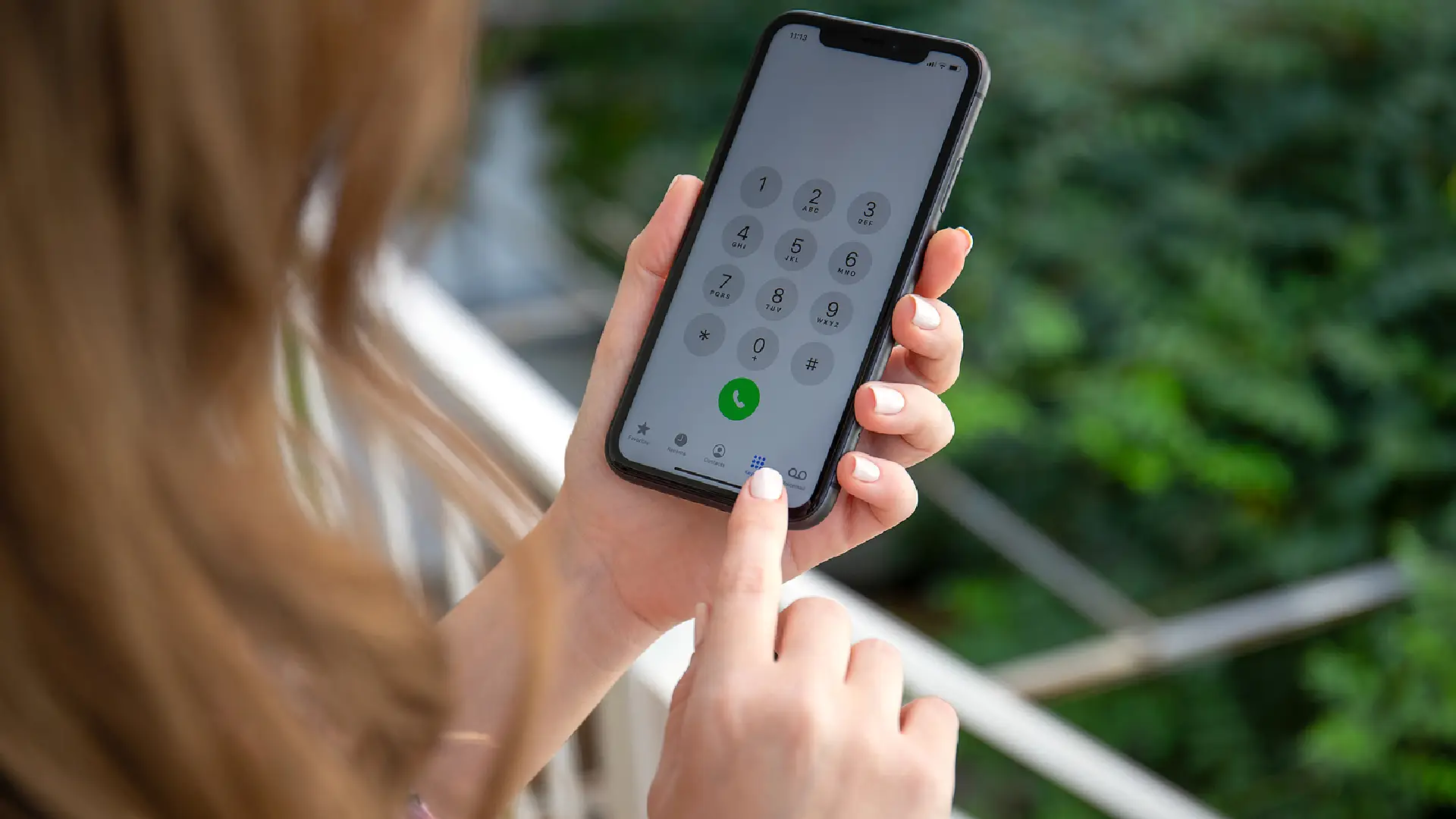
Phone conversations can pose a challenge, even for those with mild hearing loss. Amplified telephones, captioned phone services, and mobile apps designed for hearing support enhance clarity without needing to rely solely on hearing aids. These devices focus on voice frequencies, reducing the interference of background sounds.
Many modern phones and apps integrate directly with hearing devices or provide streaming options, offering a seamless listening experience. Having reliable tools for communication ensures that staying connected over the phone remains convenient and stress-free. These solutions can make phone conversations easier and clearer.
Alerting and Environmental ALDs
Those with mild hearing loss may miss environmental sounds, such as doorbells, alarms, or smoke detectors, which extend beyond conversations and media. Alerting devices amplify these signals using visual, tactile, or loud auditory cues. For instance, a ringing doorbell can be accompanied by a flashing light or vibrating pad to ensure one doesn’t miss important notifications.
Employing alerting devices guarantees the detection of important sounds, even in the absence of hearing aids. They provide reassurance that critical sounds will be noticed, even in noisy environments or when hearing aids are not in use. These systems complement other ALDs, filling gaps that personal amplifiers or TV systems may not address.
Choosing and Using ALDs Effectively
Selecting the right assistive listening device depends on lifestyle, typical environments, and personal preference. Testing devices in real-life settings ensures they meet needs without adding difficulty. Small adjustments, like positioning microphones or fine-tuning volume, maximize effectiveness.
Routine use combined with proper maintenance ensures that these devices continue to provide support reliably. Incorporating ALDs into daily routines can reduce listening fatigue, improve social engagement, and enhance confidence. Schedule a trial or consultation with our Audiologist to identify the most suitable devices for long-term benefit and satisfaction.
